espresso-shots
Espresso Shots 9-27-26
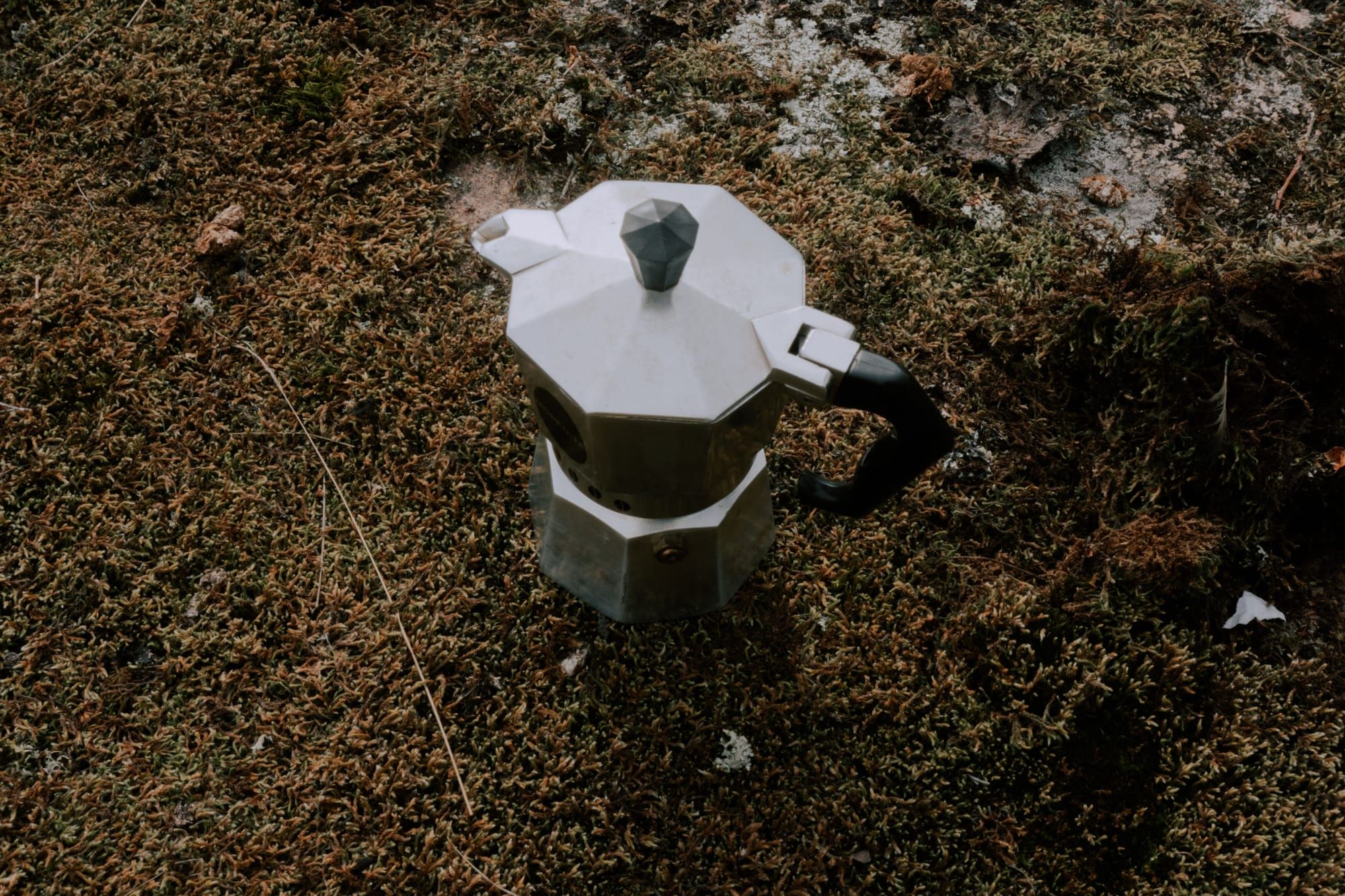
It's that time again for my weekly update, which includes a short collection of noteworthy finds, posts that inspire, as well as a few reflections from the past week or two. I'll aim to land these in your inbox by the weekend, in time to pair with your morning coffee (or your preferred cup of inspiration).
The Latest Drippings ☕️
- Intellectuals Are F*cking Idiots. Mark Manson does know how to pull me into reading his work, by often having a provocative title. Since his 2016 book, The Subtle Art of Not Giving a Fuck: A Counterintuitive Approach to Living a Good Life, I've been a fan. And while he tries to poke the bear, this post did have me thinking on a few things that I've observed about the world in 2026. 'Reality always wins. But intellectuals are rewarded for their models, not reality.' He goes through several examples of where technically 'smart people' have made assumptions based on data, and have had disastrous results. But I liked his conclusion, as it's something that I've been struggling with, especially as the world gets crazier every day. 'Engage with reality as much as possible. That means less time on this site and more time in the world. Less time watching human faces on a screen and more time seeing human faces in person.' Spending more time off-screen, away from the noise, and being present in the world isn't a bad place to start.
- False Needles in Haystacks. In a similar vein to good data, bad results, 'when you are looking for a needle in a haystack, even if you have good eyesight, most of what looks like needles will be hay.' What was interesting in this piece to me is that it's akin to what's going on today with writing and content on the Internet with the rise of generative AI. There are so many slop cannons these days everything starts to read like junk. It's getting harder and harder to find those real needles in the haystack and is going to require us to get a lot more intentional about where we look for the good stuff.
- Built to Last. If an app offers a lifetime option I will usually get it and avoid subscription software. Or let me pay for a new version, like OmniFocus does. If I need the features, I buy it. If not, the old stuff still works just fine. 'Subscription often funds the fragility that justifies the subscription in the first place. There’s a whole category of software where the core functionality doesn't require any of this. The software could survive for years without a developer touching it. It just wasn't built that way.' I get it if your app requires servers or you need to pay for data (weather apps), but there's loads of software out there that doesn't need a subscription. Some great thinking that I wish more apps/developers would follow: 'That’s the one constraint you choose before writing the first line of code. If this version were the last, it should keep working indefinitely.'
- What If America Went Completely Dark? (Gift link). A frightening tale of how fragile the entire electrical grid is in the US. 'The grid is perhaps the most complex machine ever built, but it was created without a master plan and made subject to the distortions of greed and local orneriness like every other big project in the United States... If you knock out nine total substations among those three grids, you can black out the entire United States.' A good reminder of something I wrote about in When It Falls Over - there's often too much dependency on single things that are bearing too much weight.
- I'm Tired of Being on the Network. Probably my favorite piece of the week, a look at how much of our lives has been shaped by the systems around us, dependent on the 'slab of metal and glass.' 'I've come to resent the smartphone, which is an embarrassing thing to admit, because I used to be a believer. I researched every new model. I switched between iOS and Android just to taste each new future as it arrived. I lined up for the first iPhone at 3 a.m., stood in the dark to get a glimpse of the thing itself. I remember being genuinely moved when the Apple Store employees clapped for me.' It's all so ... tiring, isn't it? And it's a balance I can't seem to get right: I spend hours optimizing my home automation and homelabs to avoid big tech providers, but I can't seem to separate from the device-ification of everything. This remarkable technology out of the future that I used to dream about as a kid has become a weight that I can't really live without. Personally, I've been tinkering with SnailOS, a small e-ink device as a side project, and haven't yet gone all minimal. It's a start, though.
- Robots Have No Voice. 'Good writing captures voice. Good writing documents how another human thinks. When you read text generated by a robot, it’s that thinking that is missing. Your world-class pattern matcher sees all the words, sentences, ideas, arguments, footnotes, em dashes, and everything else you’d expect out of writing, but the reason you squint your eyes and wonder, Did a robot write this? is because... there is no voice.' I have a simple rule around writing: I will use AI to help grammar check, but I will never use AI to write for me. The balance seems to work right now, but I do wonder if it's better to just leave all the mistakes in? ;)
- Rick Rubin: The Only Skill That Matters Now Is the One Thing AI Can Never Steal. Now, for the watch of the week. It's no secret that I just love how Rick Rubin thinks, and it's worth the 2 hours if you have the time. No spoilers here.
- What We Can Learn From a Six-Dollar Chicken. Today I learned not only that Walmart is selling a rotisserie-chicken purse, but that it sold out. Impossible to get. 'So don’t think of this Walmart chicken bag as just one more promo that did quite well and got a little media attention from USA Today. Think of it as something much deeper: the fact that we human beings, being a hyper-social species with the capacity for abstract thought, need symbols and artifacts to create, amplify, articulate, and share meaning and build relationships- something all groups, big or small, commercial or non-commercial, need in order to flourish long-term.' Maybe I need to add a Meat Proxy shirt to the online store.
- Rainy Arcade. A total sensory blast from the past. A noise generator for rainy afternoons in the arcade.
- Can You Draw a Perfect Circle?. I couldn't get higher than 82% with the trackpad, but this little addicting interactive toy is super fun.
- An Invisible Force Has a Mysterious Effect on Aging. New studies indicate that Earth's magnetic field has a direct effect on lifespan. 'The removal of the magnetic field’s effect extended the lifespan of the Pink1 group by 20 percent but reduced their mobility, whereas the healthy flies experienced just the opposite—reduced lifespan, but improved mobility.' Weird science.
- Living the Low-Sodium Lifestyle. 'Cheerios has sodium. All milks, both dairy and non-dairy, have sodium. Swiss cheese is almost sodium free. ead the packages and watch the serving size. Mission brand has a healthy serving size of 10 chips at 90 mg per serving. Same with salsa. My favorite brand, Herdez, is a sodium bomb. However Green Mountain Gringo Salsa is a reasonable 80 mg per 2 TBS serving.' If you spend enough time reading food labels, you'll quickly find how much salt (not to mention other things you can't even pronounce) is in your food. A simple rule of thumb: if you don't know what it is, don't have it in your food. I've been very fortunate to have great local farms and amazing seafood, and it's been somewhat life-altering to focus on eating food when you know where it's from. I never really knew what a fresh potato tasted like until a few months ago, and I don't want to go back.
Amor Fati ✌🏻